Showing posts with label N. Provos. Show all posts

Sunday, December 14, 2008

Defending Against Statistical Steganalysis (part 3)

本篇文章延續 part 2 的討論, 將焦點鎖定在 Section 7 Analysis, 一篇完整的論文, 一定要從各方面去分析所提出的方法, 是否禁得起各方面的考驗。

作者首先交代實驗的影像來源為何?
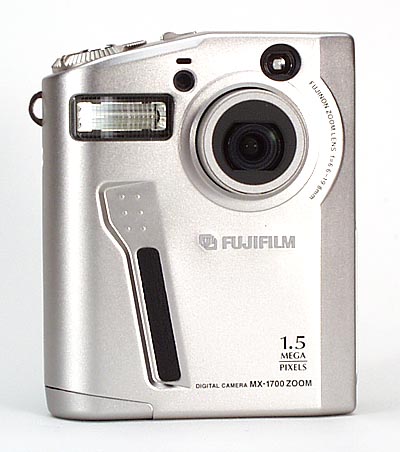
To evaluate our correction algorithm, we embedded data into 54 pictures taken with a Fuji MX-1700 digital camera around Ann, Arbor, Michigan. The sizes of images is 640*480 pixels.


將照片從數位相機下載到電腦後, 作者設定壓縮品質參數為 75, 將影像重新壓縮, 用來模擬沒有嵌入任何機密訊息的影像。

這組影像中, 可用來嵌入機密訊息的 DCT 係數, 平均為 46,000 個, 最低為 30,000 個, 最高為 97,000。每一個 DCT 係數則提供了一個冗餘位元。 在還沒嵌入機密訊息之前, 作者注意到這些冗餘位元具有較多的 1 (a strong correlation toward one):
On average 63.8% of all the bits are set with a standard derivation of 3.4% between images.
接著, 作者將 Lewis Carroll (愛麗絲夢遊仙境 作者)所著的 "The Hunting of the Snark" 第一章內容 壓縮, 得到 14,700 位元的機密訊息。


Figure 7: Comparison between unmodified images, images with data embedded but without ststistical corrections, and finally images with data embedded plus statistical corrections.

Figure 7 顯示只針對冗餘位元運算的簡單統計結果。針對一個完全隨機, 8 位元大小的資料來源做 Maurer test 的實驗結果是 7.184。在沒有使用校正轉換 (No corrections) 的情況下, 我們注意到 entropy 是從 6.732±0.233 增加到 6.976±0.168, 在 One-Correlation 方面, 也是從 63.41%±3.50% 減少到 59.10%±3.19%; 然而, 當使用校正(Corrections)時, 不管是 One-Correlation 還是 Maurer test, 實驗結果都非常接近沒有嵌入機密訊息的 unmodified images。若僅僅針對那些具備 a priori estimate 的影像實驗, 作者注意到使用校正的實驗結果, 不管是 One-Correction 還是 Maurer test, 實驗結果都更接近未嵌入機密訊息的原始影像。因此, 可以知道使用簡單的統計測試是偵測不到機密訊息的。


Figure 8: The extended Chi-square test detects the embedding for image that has no statistical corrections. Our naive correction is even more detectable. However, an image that receives the proper statistical correction can not be distinguished from an unmodified image.

接下來, 作者要討論的對象是 DCT 係數直方圖 (DCT frequency histogram)。作者指出在使用校正功能的情況下, 將直方圖直接畫出來是無法注意到和原始影像的差別的。Figure 8 則顯示出針對 extended Chi-square test 的實驗結果, 作者指出使用 Algorithm 1 做校正, extended Chi-square test 在影像的每一部分所計算出的嵌入機率(probability of embedding)都是接近 0 的。

Back to: Defending Against Statistical Steganalysis (part 1)
Back to: Defending Against Statistical Steganalysis (part 2)


Niels Provos, "Defending Against Statistical Steganalysis,"10th USENIX Security Symposium, August 13-17, 2001.

Thursday, December 04, 2008

Defending Against Statistical Steganalysis (part 2)

本篇文章延續 part 1 的討論, 將焦點鎖定在 Section 6 Correcting Statistical Deviations, 探討 OutGuess 0.2 是如何做到將掩護影像(cover-images) 的直方圖特性保留在偽裝影像(stego-images) 之中。

part 1 的討論, 我們知道 OutGuess 0.2 並沒有把所有的冗餘位元(redundant bits) 都拿來作為機密訊息嵌入之用。在 Selection process 中, 最多只允許一半的冗餘位元放置機密訊息。

隱藏學這個研究領域有一項要特別注意的就是: 通常我們並不知道將來對手會用什麼的統計測試(statistical tests) 來偵測機密訊息是否被嵌入到媒體之中。假設我們已經知道一些特定的攻擊手法, 自然就可以事先防範, 同樣用一些冗餘位元來將這些因為嵌入動作而產生的統計偏差(statistical deviation) 給修正回來。

作者首先考量的是 one-correlation 和 Maurer test。作者在本篇論文 Section 1 Introduction 中曾提及:
For example, ones and zeros are equally likely in a message that has been encrypted. However, the redundant data being replaced might have a strong correction towards either zero or one. Embedding the encrypted message weakens that correction.
Maurer test 則是一個用來測試所產生的二元亂數資料是否符合良好亂數的規範的工具 (Ueli M. Maurer, "A Universal Statistical Test for Random Bit Generators," Journal of Cryptography, Vol. 5, pp 89-105, 1992 )。基本上, 當有一個冗餘位元從 0 被改成 1, 作者便嘗試在附近找到另一個冗餘位元將其從 1 改成 0, 這樣做的優點是可以避免增加冗餘位元的亂度(entropy), 確保機密訊息無法從這種統計方式偵測出來。然而, 使用上述的方法, 針對 JPEG 影像, 會使得 DCT 係數直方圖走樣(distortion), 如 Figure 5 中的 DCT 係數 -2 與 -1 比 Figure 3 更接近, DCT 係數 2 與 3 則幾乎相同。


Figure 5: The naive statistical corrections cause the frequency of adjacent DCT coefficients to be equalized. It is immediately evident that the image is modified.

要避免 DCT 係數直方圖走樣的情況發生, 勢必要進行其他的校正(correction)工作來維持住 DCT 係數的分布。舉例來說, 如果要嵌入機密訊息到第 j-th 個 DCT 係數, 令這個係數值為 DCT(j), 假設 DCT(j) = 2i, 那這個 DCT 係數就會被改成 2i+1。要校正這個嵌入動作所產生的走樣, 就要在臨近位置找一個 DCT 係數, 其值剛好為 2i+1, 然後將其值改成 2i。令所找到的這個位置為 k, 那麼 DCT(k) 將由 2i+1 改變成 2i。如果在每一個改變原值的嵌入動作後, 就立刻執行這項校正工作, 那所產生偽裝影像的 DCT 係數直方圖將與原始的掩護影像一模一樣。

再者, 校正轉換(correcting transform) 基本上就是要保持所有的 DCT 係數 (即 frequency counts) 維持不變。因此, 以 frequency counts 為基礎的統計方式是無法偵測出原始媒體與偽裝媒體之間的差異的。

令 f 表示在直方圖中的一個 frequency count, 而 g 為其相鄰的 frequency count, 在不失其一般性的情況下, 令 f > g。令 α 表示冗餘位元用於嵌入機密訊息的比例。在嵌入機密訊息後, frequency count 變成:
f* = f - α ( f - g ) / 2 ,
g* = g + α ( f - g ) / 2 .
我們知道當嵌入量 α 為 0% 時, f 與 g 之間的差距為 ( f - g ), 當 α 越來越大時, f* 與 g* 會越來越接近, 當 α 達到 100% 時, 則
f* = f - ( f - g ) / 2 = ( f + g ) / 2 ,
g* = g + ( f - g ) / 2 = ( g + f ) / 2 .
換句話說, 當全部的冗餘位元都拿來做為嵌入機密訊息之用時, f* = g* = ( g + f ) / 2.

OutGuess 為了維持 DCT 係數直方圖不變, 必須保留足夠的冗餘位元可以在嵌入機密訊息後, 做為校正轉換之用, 因此底下的式子必須成立:
(1- α ) g ≥ α ( f - g) /2
上述式子可以化簡得到 α 的預先估計值(a priori estimate), 做為嵌入機密訊息時的參考:
α ≤ 2 g / (f + g)
給定一個機密訊息, 我們可以使用這個估計值來選擇一個用有足夠冗餘位元來保持原始 frequency counts 的掩護影像。有趣的是, 擁有更多 DCT 係數的影像, 並不代表擁有更多可供嵌入機密訊息的冗餘位元, Figure 6 說明了此一現象。Figure 6 中的每一個圈圈代表一個影像, 橫軸表示其擁有的 DCT 係數的總數, 總軸表示經過上述公式計算後, 所得到可以用來嵌入機密訊息的比例(fraction)。


Figure 6: The fraction of the DCT coefficients that can be used for data hiding does not increase linearly for images with more coefficients.

作者希望提出的校正轉換(correcting transform) 能夠具備下列兩個需求(requirements):
1. For any part of the image, the distribution of the DCT coefficients should be similar to the unmodified image.

2. The number of corrections necessary to preserve statistical properties should be small.
仔細剖析這兩個需求, 要同時達到最佳狀況是不可能的。因為如果要讓第二個需求 - 校正個數達到最小, 就要先分析整體的嵌入狀況, 再著手校正所產生整體誤差, 在這種情況下, 很可能發生某些部分影像 DCT 係數的分布, 無法跟原始分布一樣。換句話說, 要做到任何部分影像的 DCT 係數分布和原始分布一樣, 就必須在這個部分影像中, 立即把嵌入機密訊息的走樣修正回來。如此, 就不可能使校正數目達到最小。作者針對這個問題, 提出一個妥協的方法, 為每個頻率(frequency) 定義了一個臨界值 (threshold), 來表示該 frequency count 可容忍的誤差值。


Algorithm 1: This transform preserves the statistical properties of an JPEG image. It keeps track of differences in the frequency counts between original and stego medium. If the differences exceed a certain threshold, the frequency count is adjusted.

作者宣稱 Algorithm 1 可以滿足上述兩項需求。Algorithm 1 是在整個機密訊息嵌入完成之後, 才開始執行校正的。在論文中, Algorithm 1 註記了 5 個標記, 我們在此分別說明這些關鍵步驟:
標記 1 : 從原始掩護影像中, 計算 DCT 頻率的直方圖, 並將之存放於陣列 N 之中。

標記 2 : 決定每一個頻率可容忍的誤差值, 並將之存放於陣列 N* 之中。
    計算方式如下:
    k ← number of coefficients in image;
    α← 0.03 * 5000 / k ;
    N*(i) = α * N(i);
    用陣列 N error 記錄每個 DCT 係數目前的累積誤差。
    Nerror (i) ← 0;

標記 3 : AdjDCT ← DCT(i) ⊕ 1;
Algorithm 1 針對每一個可供嵌入的位置, 從影像的開端開始處理, 如果找到一個 DCT 係數遭到修改, 他並不會直接就去想辦法校正回來, 而是看看這個修改是否已經超出可容忍的程度, 如果只是就先去看看與其配對的 DCT 係數 AdjDCT (標記 3) 是否也存在誤差值, 如果也存在誤差值 (標記 4), 那就正好可以抵銷, 不需另外做修正, 以滿足第二個需求 - 校正越少越好。如果 AdjDCT 並不存在誤差值, 再加上本身的誤差尚未超出容忍值 (標記 5), 則暫時先不做校正動作, 僅是累計其誤差值 increment Nerror [DCT(i)]。如果誤差已經超出容忍值 N*[DCT(i)] 了, 為了滿足第一項需求, 必須要立即執行校正程序: 在附近找到配對的係數修正回來, 也就是執行 Algorithm 2: exchDCT(i, DCT(i)); 如果找不到配對的係數, 則記錄其誤差, 留待最後階段再一起做大範圍 (從影像末端 k, 開始往前找) 的校正工作。

如果想要更進一步了解 Algorithm 1 中 threshold frequencies 作用的讀者, 可以嘗試將 α 值先設定為 0, 觀察執行情形, 然後將 α 值先設定為 1, 再觀察其變化, 應該就能比較了解 α 所扮演的角色。


Algorithm 2: Find a specific DCT coefficient and change it to its adjacent DCT coefficient.

Algorithm 1 在兩種情況下會呼叫 Function exchDCT() 進行實際校正的動作:

1. 當累積的誤差 Nerror 已經超過可容任的範圍, 則會立即進行校正動作, 以免累機誤差太大, 不符合需求 1。
If the number of errors for the coefficient, Nerror[DCT(i)], can be incremented without exceeding its threshold value. If another increment is possible, we continue with the next modification. Otherwise, we have to correct the current modification in the image. The exchDCT algorithm is responsible for that.
2. 最後階段, 進行大範圍的搜尋, 將所有的誤差都校正回來。雖然, 並不是所有的誤差都可以校正回來, 但只要能夠將大部分的誤差都校正回來, 就不會被偵測出來。
After all modifications have been examined, we need to correct all remaining errors. Not all the corrections might be possible. However, if we are able to correct most of the errors, changes in the histogram are not detectable.
 
Back to: Defending Against Statistical Steganalysis (part 1)
Go to: Defending Against Statistical Steganalysis (part 3)


Niels Provos, "Defending Against Statistical Steganalysis,"10th USENIX Security Symposium, August 13-17, 2001.
 

Sunday, March 30, 2008

Defending Against Statistical Steganalysis (part 1)

N. Provos10th USENIX Security Symposium, August 13-17, 2001 發表了 "Defending Against Statistical Steganalysis" 這篇論文, 內容就是闡述 OutGuess 0.2 這個隱藏軟體是如何運作的。

本篇文章所要討論的主軸是論文中有關 OutGuess 核心技術的部分 - Section 3 。

Section 3 Embedding Process

作者將 embedding Process 切割成兩個獨立的步驟:

1. Identification of redundant bits.
Redundant bits can be modified without detectably degrading the cover medium.
作者指出所謂的冗餘位元(redundant bits) 就是經過修改也不會在掩護媒體中產生會被偵測出來的品質下降現象(degrading)。

2. The selection of bits
in which the hidden information should be placed.

切割成兩個步驟的好處是容易取代(easy replacement), 如果要將本篇論文提出的方法在別的資料格式中實作出來, 只要將 identification algorithm 換掉, 然後用新的選擇策略(selection strategy)即可。

Section 3.1 Identification of Redundant Bits

作者闡述了一個觀念, 用來嵌入機密訊息的冗餘位元通常和影像的儲存格式相關。整個嵌入程序自然也和輸出格式有關。通常壓縮程序也包含其中。要最小化對掩護媒體(cover-medium)的修改(modification), 必須具備有關冗餘位元的相關知識才做得到, 作者提到 OutGuess 實作了整個輸出影像的運算。
For example, the OutGuess system performs all operations involved in created the output object and saves the redundant bits encountered. For the JPEG image format, this might be the LSB of the discrete cosine transform coefficients.

Section 3.2 Selection of Bits

探討如何從影像的 redundant bits 中選取一些 bits 來嵌入機密訊息。OutGuess 是使用 RC4 串流加密器(stream cipher)對機密訊息加密, 同時也用 RC4 來建立一個 PRNG (pseudo-random number generator), 然後再將選定的 seed 餵進這個 PRNG 來選擇冗餘位元。

32 state bits = 16-bit seed + 16 bit integer
16-bit seed: 由於不同的 seeds 會選取不同的冗餘位元來作為嵌入機密訊息之用, 因此, 不同的 seeds 自然對原始影像造成的 change, 也會有所不同。當接收端(receiver)收到偽裝影像(stego-image)後, 必須知道當初所選定的 seed, 因此必須把這16-bit seed 也嵌入到掩護影像(cover-image) 之中。
16-bit integer: containing the length of the hidden message.

冗餘位元的選取方式是利用上述的 PRNG 來計算下一個 bit 的隨機距離(random offset) R i(x),

 b0 = 0,
 bi = bi-1 + Ri(x)  for i = 1, 2, ... , n

bi 表示第 i 個選取位元的位置, Ri(x) 表示與上個選取位元之間的隨機距離, 值介於 [1, x] 之間。x 為最大的間隔(interval), 這個值在每嵌入 8 個位元, 就會重新使用下列的公式重新計算, 目的就是讓所有的機密訊息可以分布到整個可以使用的位元中。

 interval = 2 * remaining redundant bits / remaining length of message.

用上述的方法來設定 interval, 會使得機密訊息的長度限制在 50% 嵌入空間之內。

Section 3.3 Beneficial Reseeding of the PRNG


談論如何靠著選擇不同的 seeds, 智慧地選擇不同的嵌入位置的子集合, 不但可以讓 changed bits 的總數降低, 而且使得嵌入行為較不容易被偵測出來 (Detectability is also used as a bios in the selection process.)。

由於掩護影像(cover-image)中的冗餘位元, 不是 1 就是 0, 加上要嵌入的資料先用 RC4 stream cipher 加密, 變成一串二元的隨機資料流(binary random stream), 將機密訊息嵌入到冗餘位元, 造成這些冗餘位元被改變的機率期望值為 0.5。因此, 統計學中的二元分布(binomial distribution)正好可以用來描述一般的 LSB 嵌入行為。

假設, 我們從冗餘位元之中, 將一個 seed 餵進 PRNG 選擇了 4430 個位元, 並將同樣長度的機密訊息嵌入其中, 便可以去計算此次嵌入動作一共改變了多少個 redundant bits。注意: 不同的 seed 餵進同一個 PRNG 將使得所選擇的嵌入位置不同。Figure 1 就是重複使用不同的 seeds 來統計這 4430 個redundant bits 被改變的總數, 累計其統計值所畫出來的結果。


Figure 1: Probability distribution of changed bits for different seeds compared to a binomial distribution with n=4430 and p=0.5.

不管是從 binomial distribution 公式推論, 或是從 Figure 1 中的實驗中, 我們都可以觀察到當我們選定一個 seed 時, changed bits 的個數是以 n/2 = 2215 的可能性(機率)最高, 不過, 還是存在一些 seeds 會使得 changed bits 的個數小於 2150。論文中是這樣討論的:
Picking a seed that represents the changed bits at the lower end of the binomial distribution allows us to reduce the number of bits that have to be changed; see Figure 1. It becomes harder to detect the modifications, as more of the hidden message is already naturally represented in the redundant bits.
除了降低修改之外, 可偵測性(detectability)也是 selection process 要考量的一個因素。
Detectability is also used as a bias in the selection process. The selector does not try to reduce only the number of changed bits but also the overall detectability. Whenever a bit has to be modified, its detectability will be added to a global bias. A higher accumulated bias reduces the likelihood that this specific embedding will be used.

Section 3.4 Choices with Coding Theory

作者在這邊提到 Coding Theory 的考量為使用 PRNG 去選擇冗餘位元就無可避免地選到
1. locked bits
2. bits with a high detectability
上述兩類冗餘位元是作者不想去更改的。因此, 作者想使用錯誤更正碼(error-correcting codes)來解決上述問題。

[n, k, d] coding 指的是長度為 k 位元的機密訊息(k-bit data block), 將被編碼成長度為 n 位元的編碼區塊(n-bit code block), 每個 code 之間的 Hamming distance 至少是 d, 假設 d = 2t + 1, 那麼這個編碼就具備了可以更正 t 個錯誤位元的能力。換句話說, n 個位元的編碼區塊之中, 如果發生 t 個位元的錯誤, 那麼使用解碼程序, 就可以偵測出哪 t 個位元發生錯誤, 進而更正回來, 因此原先的 k 位元的資料, 是可以完全解碼出來的。

將機密訊息用錯誤更正碼來編碼, 無疑也會增加要嵌入的長度。然而, 觀察整個嵌入過程獲知:
1. 有一半的資訊嵌入是不會改變到冗餘位元的 ( n / 2),
2. 可以有 t 個位元可以不用嵌入(更改冗餘位元)
因此, 假如
 ( n /2 ) - t = ( k / 2 )
成立, 那麼作者希望嵌入 n 位元的編碼區塊需要修改的位元數(上述式子的等號左邊)要和嵌入未經編碼的 k 位元的資料區塊需要更改的位元數(上述式子的等號右邊)相等。將上述式子通分得到 n -2t = k, 並將 d+1 = 2t 帶入可以得到
 d = n - k + 1,
剛好就是 MDS (maximum distance separable) code 的 Singleton bound。因此, 作者在這邊得到一個結論就是只要選擇 MDS codes, 就可以滿足上述作者期望的。

不幸地, 值得一提的(non-trivial)二元 MDS code 就只有重複碼(repetition code), 主要缺點就是編碼必須將資料重複 n 次, 因此, 重複碼僅使用在隱藏訊息很小的情況。

資料經過編碼後, 每個編碼區塊可以選擇 t 個位元不去修改冗餘位元。作者所使用的選擇策略是:
欲嵌入的位元與冗餘位元不同(conflict), 且冗餘位元先前已經被嵌入過資料, 被 locked bits 鎖住。

OutGuess 所使用的技術與 Ross J. Anderson and Fabien A. P. Petitcolas 發表在 Journal on Selected Areas in Communication, 16(4): 474-481, May, 1998 的論文 On the Limits of Steganography 中所建議的 parity encoding 相似。然而, 使用 error-correcting codes 的好處要比使用 parity encoding 多。透過選擇一種不是 MDS 的 code, 我們可以犧牲些許的嵌入容量(capacity) 而得到更高的安全性(security)。除此, 對照使用 parity encoding 必須 lock 住 n 個位元, 使用 error-correcting codes 則僅僅需要 lock 住 n-t 個位元。

Section 3.5 Plausible Deniability

為了嵌入機密訊息, 我們修改掩護媒體中的冗餘位元。這些冗餘位元可能存在一些我們沒有感知, 或是對手比我們了解的自然統計特質。假如嵌入程序改變了上述特質, 在這方面知識淵博的觀察者, 不用指出哪些特定位元被改變, 就可以推論出隱藏訊息是存在的。

偽裝媒體的創造者必須面對的是: 欲隱藏的通訊行為可能被揭露出來。然而, 我們假設觀察者僅僅可以確定的事實是掩護媒體被更改了。假如傳訊者嵌入多重訊息, 其中可以包含一份無害的訊息, 讓它和真正想要傳送的訊息(request)攪在一起, 然後宣稱沒有任何訊息隱藏在偽裝媒體之中, 偽裝媒體並沒有遭受破壞(沒有遭到修改, 換句話說就像原始掩護影像一樣, 沒有破壞原先存在的特質)。這就是所謂的似乎合理的可否認性(plausible deniability)


實際上, 整個 Section 3 所描述的技術已經隱含地支援上述所提到的似乎合理的可否認性。可以隱藏不只一份的訊息, 使用 locked bits 來避免先嵌入的訊息被後嵌入的訊息覆蓋掉。即使是與嵌入訊息的大小相關, 不與先前 locked 住的冗餘位元重疊的可能性是很小的, 在這種情況下, 使用 error-correcting codes 則是可以增加選擇的彈性。

Section 3.6 Hidden Message Determines Cover

針對特定的隱藏訊息, 可以在不同的掩護媒體中, 選擇一個機密訊息對掩護媒體本身影響較小(with minimal modification)的掩護媒體, 來嵌入機密訊息。這和 Section 3.3 中有關 binomial distribution 的系列討論是差不多的。

Go to: Defending Against Statistical Steganalysis (part 2)

Go to: Defending Against Statistical Steganalysis (part 3)

Niels Provos, "Defending Against Statistical Steganalysis,"10th USENIX Security Symposium, August 13-17, 2001.
 

Monday, November 05, 2007

關於 JPHide 的點點滴滴 (一) : N. Provos

Niels Provos 在 "Detecting Steganographic Content on the Internet" 這篇論文的 Section 5.2 整節都在談論 JPHide 這個隱藏軟體。內文如下:
 JPHide is a steganographic system by Allan Latham. There are two versions: 0.3 and 0.5. Version 0.5 supports additional compression of the hidden message. As a result, they use slightly different headers to store embedding information. Before the content is embedded, it is Blowfish encrypted with a usersupplied pass phrase.

Because the DCT coefficients are not selected continuously from the beginning, JPHide is more difficult to detect.

The program uses a fixed table that defines classes of DCT coefficients to determine in which order to modify the coefficients. All coefficients in the current class are used first to hide information before the next class is chosen. As a result, coefficients are selected in such a way that they those likely to be numerically high are used first.

One artifact of the implementation is that the information hiding continues in the current coefficient class even after the complete message has been embedded. The first class in the table are the DC coefficients of color component zero. An image with a resolution of 600 * 480 has approximately five thousand DC coefficients. Even if the message is only eight bits long, JPHide modifies all five thousand coefficients in such an image.
這邊提到 JPHide 有一個特殊方式來定義嵌入次序, JPHide 使用一個固定的表格來將 DCT 係數分成不同的 classes, 整張影像相同 class 中的 DCT 係數會依序拿來嵌入機密訊息, 直到此 class 的係數用完了, 才會動用到下一個 class 的 DCT 係數。接著, 相同 class 的係數, 數值較大者也會優先拿來嵌入機密訊息。個人覺得這樣做是有道理的, 因為嵌入影響對較大值的係數來說, 比例相對較小, 因此優先使用。

另外一點令人匪宜所思的是: 即使所有的機密訊息已經嵌入完畢了, JPHide 依然會繼續修改目前這個 class 的所有 DCT 係數。論文中提到一個例子, 第一個 class 就是 DC 係數, 假設一張 600*480的影像, 就會有 (600/8)*(480/8)= 75*60 = 4500 個 DC 係數, 那麼即使機密訊息只有 8 bits, JPHide 依然會去修改這所有的 DCT 係數。
 A pseudo-random number generator determines if coefficients are skipped. The probability of skipping bits depends on the length of the hidden message and how many bits have been embedded already.

JPHide modifies not only the least-significant bits of the DCT coefficients, it can also switch to a mode where the second-least-significant bits are modified.
如其他軟體一般, JPHide 用一個 PRNG 來決定哪些係數該跳過不嵌入機密訊息。然而, 較特殊的作法是跳過的機率是和 1) 機密訊息的長度, 2) 已經嵌入多少資料量。這代表每嵌入 1 個位元, 機率值就隨時進行更新, 用以控制所有的訊息可以完全順利嵌入。另外, JPHide 也會將機密訊息嵌入到次低位元中。

From StegoRN
Figure 6: JPHide has a signature similar to JSteg. The major difference is the order in which the DCT coefficients are modified.
Figure 6 shows the probability of embedding for an image containing information hidden with JPHide. Because JPHide can skip DCT coefficients, the probability is not as high as with JSteg.
Figure 6 是使用 Chi-Square Attack 來針對 JPHide stego-images 分析, 橫軸是將影像平分成 100 等份, 每一等份都用 Chi-Square Attack 計算嵌入機率 p。由於 JPHide 會跳過部份的 DCT 係數不藏, 因此所得到的 P 值並不像 Jsteg 那麼高。


Niels Provos and Peter Honeyman, "Detecting Steganographic Content on the Internet,"ISOC NDSS'02, San Diego, CA, February 2002.

Sunday, November 04, 2007

關於 Jsteg 的點點滴滴 (七) : N. Provos


這張圖出現在 Niels Provos & Peter Honeyman 的 2002年 ISOC NDSS'02 研討會論文 "Detecting Steganographic Content on the Internet" 中 ( Figure 4, P. 4 )。原文是這樣描述的:
 Figure 4 shows the result of the X²-test for an image that contains information hidden with JSteg. In this case, the first chapter of “The Hunting of the Snark” has been bzip2 compressed prior to embedding. The low probability at the beginning of the graph is caused by the dictionary at the beginning of a bzip2 compressed file. The dictionary does not look like encrypted data and is not detected by the test.
這邊提到 bzip2 這個壓縮軟體, 作者先將機密訊息 “The Hunting of the Snark” 的 第一章內容 用 bzip2 壓縮至 15 KB, 然後用 Jsteg 將其藏到影像中。由於 bzip2 壓縮檔的檔頭存放著解壓縮時需要用到的 dictionary, 因此在 Figure 4 的最左端 - 約 5% 的影像 - 用 X²-test 所得到的 p 值並不像 5% ~ 25% 區間的 p = 100% 那麼高。


Figure 5: Using JSteg-Shell with RC4 encryption causes the probability of embedding to be high for all embedded data.

這張圖則是針對 Jsteg-Shell stego-image 分析所得到的結果。原文描述如下:
 JSteg-Shell is a Windows user interface to JSteg developed by Korejwa. It supports encryption and compression of the content before embedding the data with JSteg. JSteg-Shell uses the RC4 stream cipher for encryption. However, the RC4 key space is restricted to 40 bits.

 When encryption is being employed, we expect the probability of embedding to be high at the beginning of the image. There should be no exception.

 An example of JSteg-Shell is shown in Figure 5. Just observing the graph allows us to determine the size of the embedded message. Later we show how this can help to improve the automatic detection of steganographic content.
JSteg-Shell 在隱藏前, 針對機密訊息提供壓縮和加密的功能。因此, 沒有意外地, Figure 5 從一開始就有很高的 p 值。觀察上圖, 我們很容易就可獲知嵌入的資料量, 這項資訊可以用來改善自動偵測隱藏的訊息。

Niels Provos and Peter Honeyman, "Detecting Steganographic Content on the Internet,"ISOC NDSS'02, San Diego, CA, February 2002.
 

Monday, December 18, 2006

Hide and Seek: An Introduction to Steganography

Hide & SeekOutGusee 的作者 Niels Provos 和他的指導教授 Peter Honeyman 在 2003 年 May/June 的 IEEE Security & Privacy 雜誌發表了一篇隱藏學的介紹性文章 "Hide and Seek: An Introduction to Steganography"。


這篇文章分成三大主軸:

1. The basics of embedding
 a. capacity, security, robustness
 b. steganography & watermarking
 c. Kerckhoffs' Principle
 d. Alice & Bob

2. Hide and seek
 a. Discrete Cosine Transform (DCT)
 b. Sequential
 c. Pseudo random
 d. Subtraction
 e. Statistics-aware embedding
 f. Comparison

3. Steganography detection on the Internet
 a. Steganographic systems in use
 b. Detection framework
 c. Finding images
 d. Verifying hidden content
 e. Distributed dictionary attack
 

Monday, October 23, 2006

Steganographic Tools for JPEG Images

JPEG standard 是 Internet 上使用最廣泛的影像儲存格式。因此, 網路上也有許多隱藏軟體 ( steganographic software ) 可以將訊息藏到 JPEG 影像中, 然後透過 Internet 傳送秘密訊息。

Niels Provos & Peter Honeyman 在 2002 年 ISOC NDSS'02 研討會提出 " Detecting Steganographic Content on the Internet " 這篇論文, 文中 P.4 提到了三個在 Internet 上較普及的隱藏軟體。
There are three popular steganographic systems available on the Internet that hide information in JPEG images:

• JSteg, JSteg-Shell

JPHide

All of these systems use some form of leastsignificant bit embedding and are detectable by statistical analysis except the latest release of OutGuess. In the following, we describe the specific characteristics of these systems and show how to detect them.

Niels Provos and Peter Honeyman, "Detecting Steganographic Content on the Internet,"ISOC NDSS'02, San Diego, CA, February 2002.

Tuesday, March 21, 2006

About OutGuess ... (part 1): N. Provos


OutGuess by Neils Provos
Offical Website: www.outguess.org


Niels Provos & Peter Honeyman 在 2001 年CITI 的技術報告, 還有 2002年 ISOC NDSS'02 研討會論文 "Detecting Steganographic Content on the Internet" 中是這樣描述 OutGuess 的:
[ P.5 ]
 OutGuess is a steganographic system available as UNIX source code. There are two released versions: OutGuess 0.13b, which is vulnerable to statistical analysis, and OutGuess 0.2, which includes the ability to preserve statistical properties and can not be detected by the statistical tests used in this paper.

 OutGuess is different from the systems described in the previous sections in that its chooses the DCT coefficients with a pseudo-random number generator. A user-supplied pass phrase initializes a stream cipher and a pseudo-random number generator, both based on RC4. The stream cipher is used to encrypt the content.

 Because the modifications are distributed randomly over the DCT coefficients, the X²-test can not be applied on a continuously increasing sample of the image. Instead, we slide the position where we take the samples across the image.

 For OutGuess 0.13b, we do not find any clear signatures. Figure 7 shows the probability of embedding for a sample image. The spikes indicate areas in the image where modifications to coefficients cause departures from the expected DCT coefficient frequency.


Figure 7: OutGuess 0.13b is more difficult to detect. Due to the random selection of bits, there is no clear signature.

上面這張圖是論文的 Figure 7, 將整張影像切割成 100 等份(橫軸), 每一等份都用 Chi-Square Attack 去估算嵌有機密訊息的可能性(縱軸)。由於 OutGuess 隨機地將資料分散在整張影像之中, 因此, 分別在這 100 份的部分影像所計算出來的可能值, p, 大小是不固定的, 可以說毫無特定特徵(signature)可言。因此, 相對於 Jsteg/JSteg-Shell 與 JPHide 來說, 隱藏在整張影像的機密訊息是較難被偵測出來的。

Niels Provos and Peter Honeyman, "Detecting Steganographic Content on the Internet,"ISOC NDSS'02, San Diego, CA, February 2002.

Sunday, March 19, 2006

關於 Jsteg 的點點滴滴 (五) : N. Provos

Niels Provos & Peter Honeyman 在 2001 年的技術報告 "Detecting Steganographic Content on the Internet" 中是這樣描述 Jsteg 的:
[ P.4 ]
JSteg is an addition by Derek Upham to the Independent JPEG Group's JPEG Software library. The DCT coefficients are modified continuously from the beginning of the image. JSteg does not support encryption and has no random bit selection.

The message data is prepended with a variable size header. The first five bits of the header express the size of the length field in bits. The following bits contain the length field that expresses the size of the embedded content.


IEEE Security & Privacy 在 2003 May/June 這一期中有一篇文章 "Hide and Seek: An Introduction to Steganography", 在 P. 34 的 Figure 3 中, 提到 Jsteg 的演算法。Niels Provos & Peter HoneyMand 是這樣描述 Derek Upham 的 Jsteg 嵌入法:
Derek Upham's JSteg was the first publicly available steganographic system for JPEG images. Its embedding algorithm sequentially replaces the least-significant bit of DCT coefficients with the message's data (see Figure 3). The algorithm does not require a shared secret; as a result, anyone who knows the steganographic system can retrieve the message hidden by JSteg.